
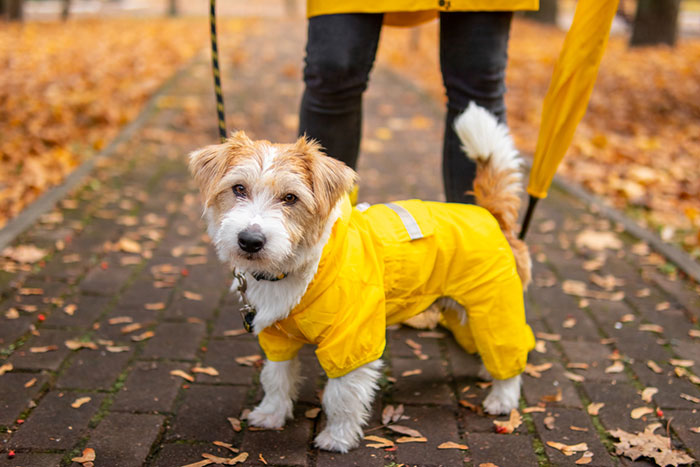
We humans change our habits and our clothing when the weather changes, and we are impacted by the changing seasons too, hay fever anyone? Our pets are also impacted by the changing conditions that the four seasons bring along. While dogs and cats may have fur and can adapt to outside living, many of our pets are inside pets, with minimal outdoor exposure, and so we need to prep them for cold winter days and steamy summer weekends.
Your Railway Avenue Vet is going to give you a quick guide on how to prepare your pets for each of the four seasons that Australia experiences every year.
Bursting into Summer
Australian summers can be brutal on everyone, people and their pets alike. With some careful preparation and monitoring during the hottest months of the year, your furry friends can survive and thrive with you.
Tick Protection and Heartworm
Summertime seems to bring out a lot of bugs and pests. While we deal with flies and mosquitoes, our pets, closer to the ground, have fleas and ticks to contend with, and as always, worms. The start of the summer season is a good reminder to get your pet treated for fleas, ticks and heartworm. In fact, we all get reminded at the start of daylight saving time, to check out fire alarms. Why not remember to treat our pets as well?
Check for Signs of Heat Stress
Excessive panting, restlessness which are not your common zoomies, vomiting and bright red gums are all signs of heat stress in our pets. Be alert for these signs and bring your pet indoors to cool them off. A cold wet towel, water for them to drink, laying them in front of an air conditioner are all ways to bring their body heat down.
Check for Snakes in your Yard
Summer in Australia brings out snakes, who do like to wander into suburban backyards. If you have long grass, or spaces they can both sun themselves and hide, such as wood piles or brick piles, ensure your pets don’t wander too close in case they get bitten by a snake.
Know where your closest emergency vet is just in case you need a dose of anti-venom.
Check for and Remove Toxic Plants
While some plants in our garden may look pretty, they can be toxic for our pets. Some plants may just cause irritation, while others can poison and kill our pets.
For dogs, toxic plants can include lilies, foxglove, azaleas and oleander.
Plants that are toxic to cats include many varieties of lilies, daffodils, nightshade aloe vera and more. Check with your vet or your local nursery for a more detailed range of plants that can be toxic to your pets.
Have an Escape Plan for Fire Emergencies
Bushfires are an all too real and growing issue in Australia. Drier winters and hotter, drier summers are fuelling some major bushfires. You should always have a go bag for yourself, but also have a bag ready for your pets so you can leave quickly. Include some canned food and dry food, bottles of water and a rug for comfort. Know where the crate is to transport them as well. You don’t want a panicked animal on the loose when you’re trying to evacuate.
Monitor Time in the Sun
Just like humans, animals can get sunburnt and get skin cancer, particularly the tips of their ears. You can rub sunscreen into their ears to help protect them, but some pets don’t like you messing with their ears.
Humans should not spend more than fifteen minutes in the sun without protection, and even that could be considered too long. The same goes for your pets. Bring them in out of the blistering sun.
No Walking on Hot Pavement
Take your dog for a walk in the early morning or late evening when things start to cool down. It is said you can fry an egg on the asphalt of a car park in summer. While it may not be strictly true, you can certainly give your dog serious burns to their foot pads if you’re walking them in the midday sun.
If you can’t walk on the ground in bare feet because it is too hot for you, then you definitely cannot walk your dog on the hot ground either.
Groom for Comfort
If your pet has a thick coat they can easily overheat in summer. Fur will grow back, so get your dog or cat groomed with a summer coat in mind.
Have a Steady Supply of Cold Water Handy
It is vital in the hot days to have water readily available. Keep the water bowls full, and make sure the water isn’t warm or hot. Animals need to remain hydrated and use the cold water to cool themselves off.
Strolling into Autumn
The hot summer days begin to shorten and the leaves begin to turn. The wind picks up, temperatures begin to drop and the sporting season starts to change. This is the season of autumn in Australia. Your pets adjust to the changing season as well.
Adjust outside time to Shortening Days
The daytime hours begin to shorten, so you need to adjust the outside time of your pets to match. Bringing them in earlier as night time comes earlier is a good idea.
Prepare for changing weather
The day may go from sunny to rainy in the blink of an eye. If you read the weather report and see it may rain, postpone your walk, or bring rain protection with you. Animals can get colds just like us, and don’t always like getting wet.
Check the Garden for Mushrooms
As the weather starts to cool, and rain begins to fall and the ground becomes wetter for longer, mushrooms decide it is the perfect time to pop up. If you can remove them before your pets find them, excellent. You never know what effect mushrooms and fungus can have on your pet.
Change the Indoor Environment
You can begin setting up the winter sleeping place, with more rugs and a cosier vibe. Make sure where they sleep is warm and dry, with no cold drafts.
Slowly Increase Meals
Animals need more energy to maintain their core temperature, so this means more food. Good fats and Omega oils are particularly important for your pets.
Brisk walk into Winter
The winter months in Australia are a mixed bag. Out in the west it can be mild, up in the northern climes of Australia it is warm and dry. But head towards South Australia and Victoria and the Alps and it can get downright chilly. Cats and dogs may have fur coats, this doesn’t mean they enjoy cold winter nights.
Check the Bedding
Wash your pet beds and bedding, supply them with warm, cosy rugs to snuggle into. Make sure where they sleep is warm and dry and isn’t subject to cold winds.
Clothing for your pets
If you have short-haired pets they may need a jumper or a pet coat to help keep them warm, in particular some dog breeds need this when going for a walk, even in the day time.
Walking Your Dog at Night
With the shorter days often owners can’t walk their dogs until the evening when it is dark. For safety reasons having a high visibility vest for yourself and your dog is a good idea, along with the warm clothing mentioned above. And be mindful of the weather. No one enjoys walking at night in the rain, dogs included.
Increase the Food Intake
Following on from autumn, animals need more energy to keep their core temperatures regulated, and this means more food. High protein, high good fats and Omega 3 oils are the best for your pets.
Young and Old Pets Need Extra Care
In the colder months young pets and your more senior pets, need a lot more care and attention. For young pets their body mass is low, and for older pets their energy levels are low. Both of these can lead to more vulnerability to the cold weather.
Check for Signs of your pet Being Cold
If your pet is shivering, has extremely low energy levels or weakness, it is highly likely they are feeling the cold of winter. Get them inside, near a source of warmth. Wrap them in a blanket and try to raise their body temperature. Extra food to fuel their body, and lots of cuddles are also required.
Check under the Bonnet of your Car
In winter, sometimes animals, pets and strays, may climb into the engine compartment of your car because it is warm and protected from the elements. It’s a good idea to check, just in case.
Waltzing into Spring
The world comes to life! Days begin to get longer, the sun is out more. Trees and flowers come to life, animals get in the mood, and pollen hits those with hay fever and allergies. The world is waking up from the winter hibernation, and your pets, too, begin reacting to the change in weather, wanting to be outside more, exercise and play more. There are things you need to attend to with the coming of spring and how it can impact your pets.
Grass allergies.
Signs of allergies can manifest with your pets in different ways. Just like humans they can get red and watery eyes, runny noses and sneezing. Other symptoms can include itching scratching and obsessive licking of certain areas.
Check with your vet for appropriate treatments for grass allergies but also consider where your pets are getting the allergies from. Is it a park you frequent, or is it in your own backyard? Adjust the conditions to better suit your pet and give them a happier springtime.
Grooming
Alongside allergies, more grass seeds and burrs can cause tangles in your pet’s fur. They will need more grooming, more coat care. Be thorough to get rid of all foreign objects in their coats so they can groom themselves with ease.
Flea and Tick Safety
As the temperature rises so too does the numbers of fleas and ticks. You need to be extra vigilant with your pets coming into spring. Give the regular doses of flea and tick medication, but also check them manually for the pests. You don’t want to be lax on the medication and then have a paralysis tick infect your beloved furry companion.
More hikes in the Fantastic Weather
With the good weather returning you’ll want to get out and about. This is great news as our pets love roaming the countryside exploring new places and discovering wondrous new scents. Just be aware of your pet’s fitness. Over winter they may have slowed down, so will need to slowly regain their fitness levels. While you may have kept your fitness up by going to a gym, your dog didn’t have that advantage.
Hazardous Plants
Spring means new growth of plants. You need to check and monitor your yard for plants that are hazardous to your pets. For cats, look out for azaleas, tulips lilies, ivy and more. Plants to look out for to protect your dogs include hemlock, ragwort, ivy and the like.
Breeding Season
Spring is the time for the ‘birds and the bees’, so to speak. Your pet will go through hormonal changes and the desire to breed will increase. You need to be a conscientious pet owner. If your pet is not de-sexed, restrict their movements outside. It is not really ethical to allow un-de-sexed pets to roam and breed. This can cause unwanted strays, or litters with other pet owners who weren’t expecting it.
Just like humans react differently to the changing seasons, our pets have their own needs. Some cats will do anything to spend time in the sun, but you’ll need to get to it with the sunburn cream to protect their ears. Some dogs love a rainy winter’s day and jumping in puddles. We love our pets for their unique characteristics and quirks.
Just prepare your home, your yard, and your pets, for the changing of the weather and you can have a happy and healthy companion for many years to come. If this article has raised some questions, or you need some help acclimatising your pets to the changing seasons, contact us and we’ll be happy to give you some sound advice.